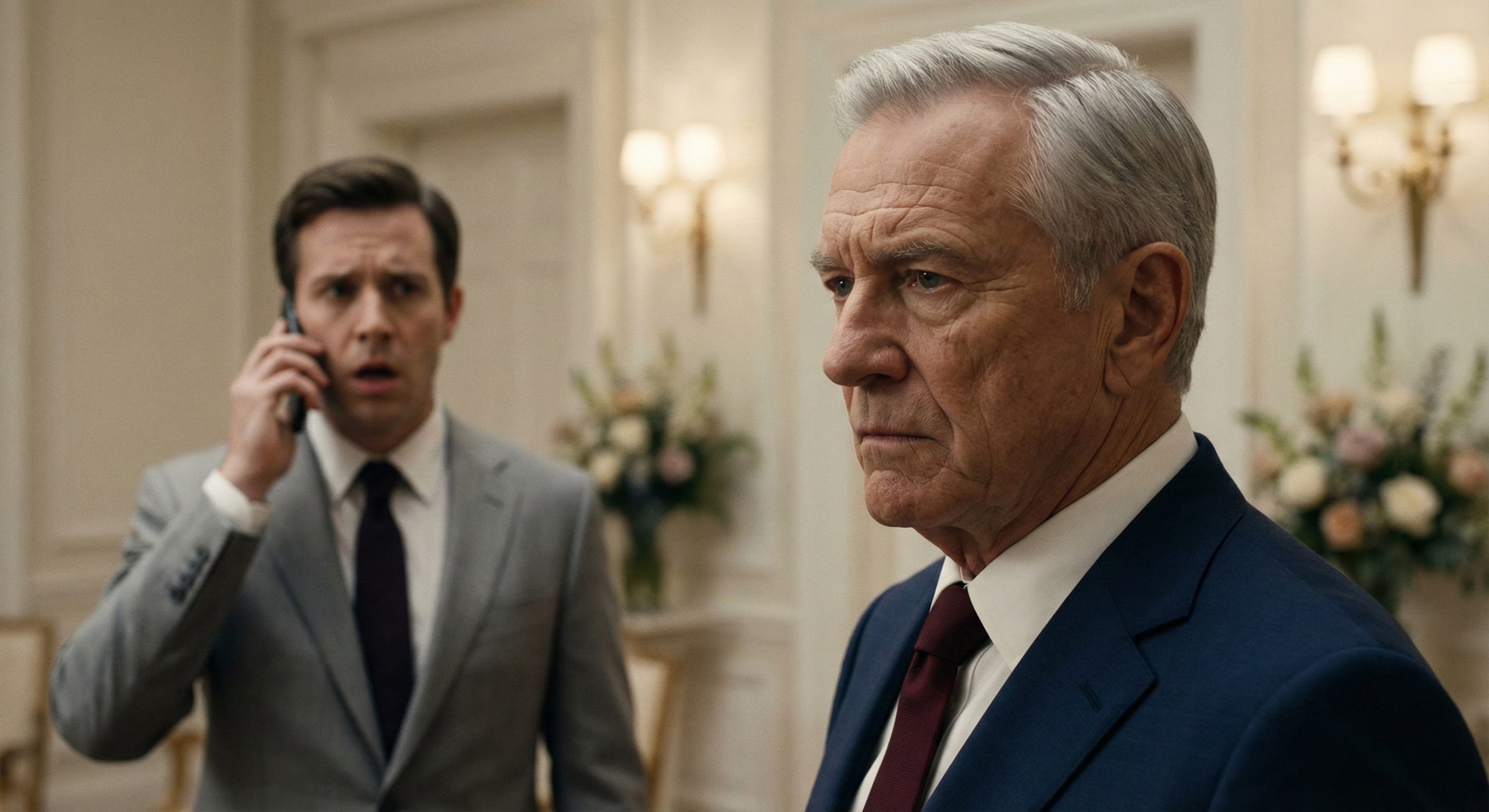
De begrafenis van mijn dochter Laura was het donkerste moment van mijn leven.
De kerk zat vol mensen, maar ik had me nog nooit zo volledig alleen gevoeld. Ik stond te staren naar de verzegelde kist, niet in staat te accepteren dat ik haar stem nooit meer zou horen. Laura was mijn hele wereld. Nadat haar moeder was overleden, heb ik haar alleen opgevoed, twee banen gehad om haar door de universiteit te helpen, en ben ik nooit gestopt met haar te steunen—zelfs niet nadat ze met Daniel trouwde, de man die later mijn schoonzoon zou worden.
Daniel leek die dag plechtig, gekleed in vlekkeloos zwart, en accepteerde condoleances alsof hij degene was die het meest onrecht was aangedaan door de tragedie. Gedurende de ceremonie negeerde hij nauwelijks mijn aanwezigheid. Toen de dienst voorbij was en mensen begonnen te vertrekken, kwam hij stilletjes naar me toe, zijn gezicht uitdrukkingsloos.
« Antonio, » zei hij zacht, « we moeten praten. »
We stepped away from the others. Then he delivered the sentence I will carry with me forever:
“You have twenty-four hours to leave my house.”
There was no anger in his voice, no raised tone—just a cold, efficient command, spoken on the very day we laid my daughter to rest. He explained that the house was legally his, that he needed “space,” and that he wanted no complications. I looked at him, felt a tight knot form in my chest… and smiled.
I didn’t argue. I didn’t remind him of the years I had lived there helping Laura, or the money I had contributed when he was still struggling to get started. I simply nodded.
That night, I packed one small bag—basic clothes, important documents, and an old photograph of Laura as a child. I left quietly, placed the keys on the table, and walked out. I spent the night in a modest hostel near the train station. Daniel believed he had won, that he had humiliated me and erased me from his life for good.
What he didn’t know was that I had been a silent partner in his company from the very beginning.
